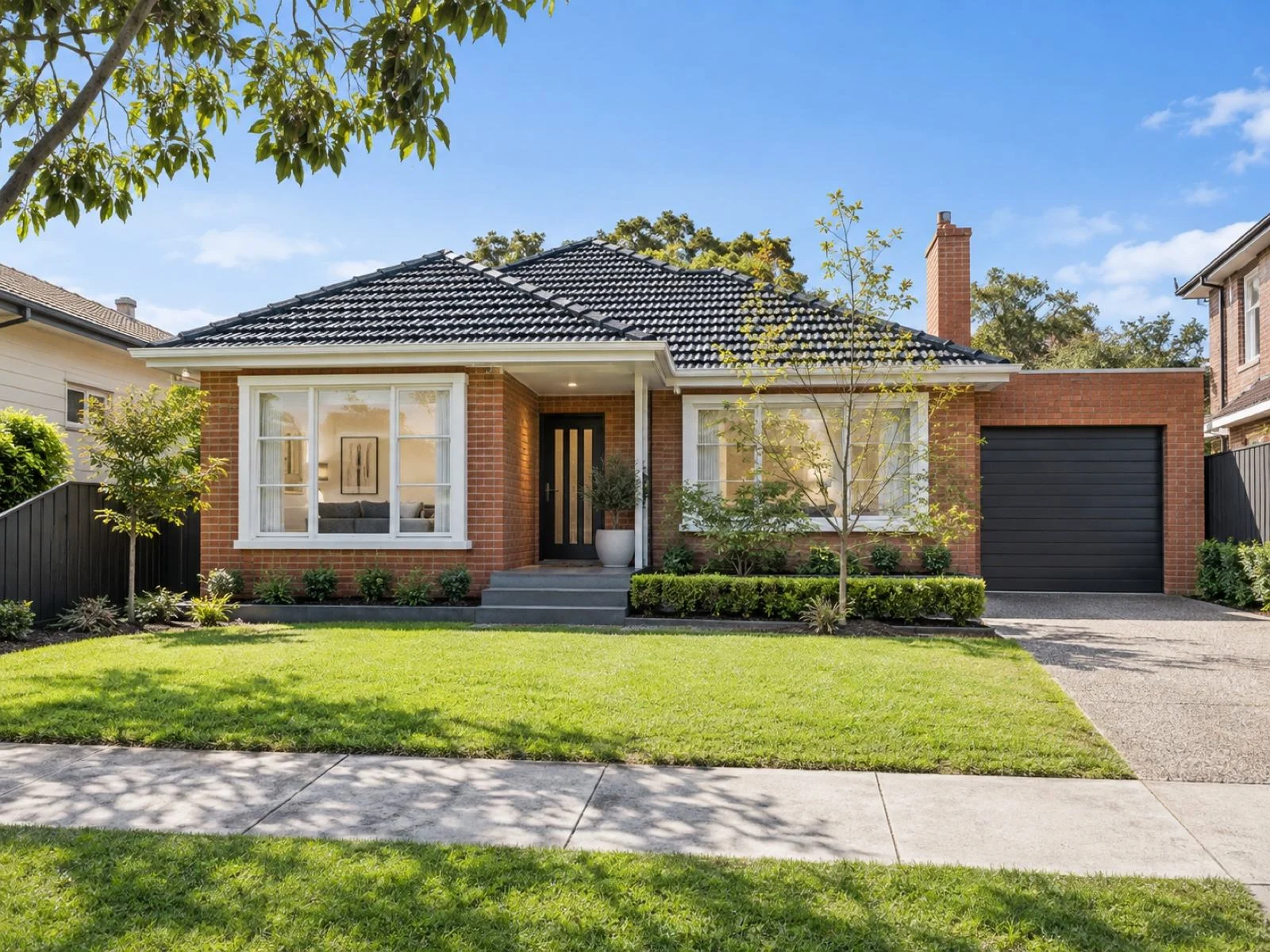
Owning an investment property is generally a long-term commitment, and most investors expect to experience periods when expenses rise or rental returns fluctuate. But what happens when a property consistently underperforms?
While it’s tempting to focus on the weekly rent coming in, the true performance of an investment property involves much more than its rental income.
Understanding the less obvious costs of ownership can help investors make better decisions about their property’s future.
The impact of ongoing vacancies
A vacant rental property doesn’t just mean missing out on weekly rental payments.
Owners still need to cover mortgage repayments, council rates, insurance and other ongoing expenses, regardless of whether someone is living in the home. There may also be advertising, leasing and maintenance costs associated with finding a new renter.
Even relatively short vacancies can make a noticeable difference to annual returns.
For example, a property renting for $600 per week that remains vacant for three weeks loses $1800 in potential rental income.
That’s why retaining reliable renters and maintaining a competitively priced property can be just as important as achieving a higher weekly rent.
When maintenance becomes a financial drain
Every property requires maintenance, and regular upkeep is essential for protecting its condition and value. However, repeated repairs can become a warning sign that more substantial work may be needed.
An ageing hot water system, recurring plumbing problems or deteriorating fixtures can create ongoing expenses that gradually eat into rental returns.
Rather than repeatedly paying for temporary fixes, owners may benefit from considering whether replacement or more comprehensive repairs offer better long-term value.
A proactive maintenance plan can also help identify potential problems before they become more expensive.
Are you keeping up with the market?
Another potential cost of underperformance is missed rental income.
Owners who haven’t reviewed their property’s rental value for some time may discover that comparable properties are achieving different returns.
However, rental increases need to be considered carefully, taking into account market conditions, applicable legislation and the value of retaining a good tenant.
A realistic rental appraisal can help owners understand where their property sits within the local market.
Consider the opportunity cost
Sometimes the biggest cost of holding an underperforming property is what you could be doing with the money invested in it.
If a property requires significant capital expenditure, generates consistently disappointing returns or no longer aligns with your financial goals, it may be worth reviewing your options.
That doesn’t automatically mean selling. Depending on your circumstances, renovating, refinancing or changing your longer-term investment strategy may be worth exploring with suitably qualified advisers.
Review your investment regularly
A rental property shouldn’t simply be left on autopilot. Regularly reviewing rental income, operating expenses, maintenance requirements and local market conditions can help owners identify issues early.
Your property manager can play an important role by providing insight into tenant demand, rental values and the condition of your investment.
The goal is to ensure your property continues to work towards your financial objectives, rather than simply holding onto it because you’ve owned it for years.